Your browser, transformed into an agentic AI knowledge base.
An agent that reads your pages, PDFs and transcripts, organises the mess, and answers with sources — all on your machine.
- Q3 Pricing Deck.pdfClient · Acme
- Pricing call — transcriptSales KB
- market pricing researchResearch
macOS · Chrome extension · local-first

World first
The world's first AI context engineering tool.
Every AI answer is only as good as the context it was given. Om-E ships that discipline as a product: the context window is yours to run — what the model sees, what it ignores, and what you pay — on every single turn.
Attach vs load
Retrieval-only when the KB should answer, full text when the model must read every word.
Scoped per chat
Each chat sees the knowledge you point it at — nothing else bleeds in.
Cheaper by design
Tokens are the bill. Sending less, better-chosen context is the discount.
Sharper answers
Less noise in, less noise out — the model reasons over what matters, not everything.
Context engineering
You decide what the model sees.
Behind every answer is a build step: Om-E assembles the exact window the model will read — your question, the thread so far, and only the knowledge you've dialled in.
Attach a KB and each turn carries just the retrieved slices that match the question. Load a topic and its full text rides along. Skip, and the model answers cold. Nothing bleeds between chats — and every token in the window is one you chose to spend.
Feed it anything
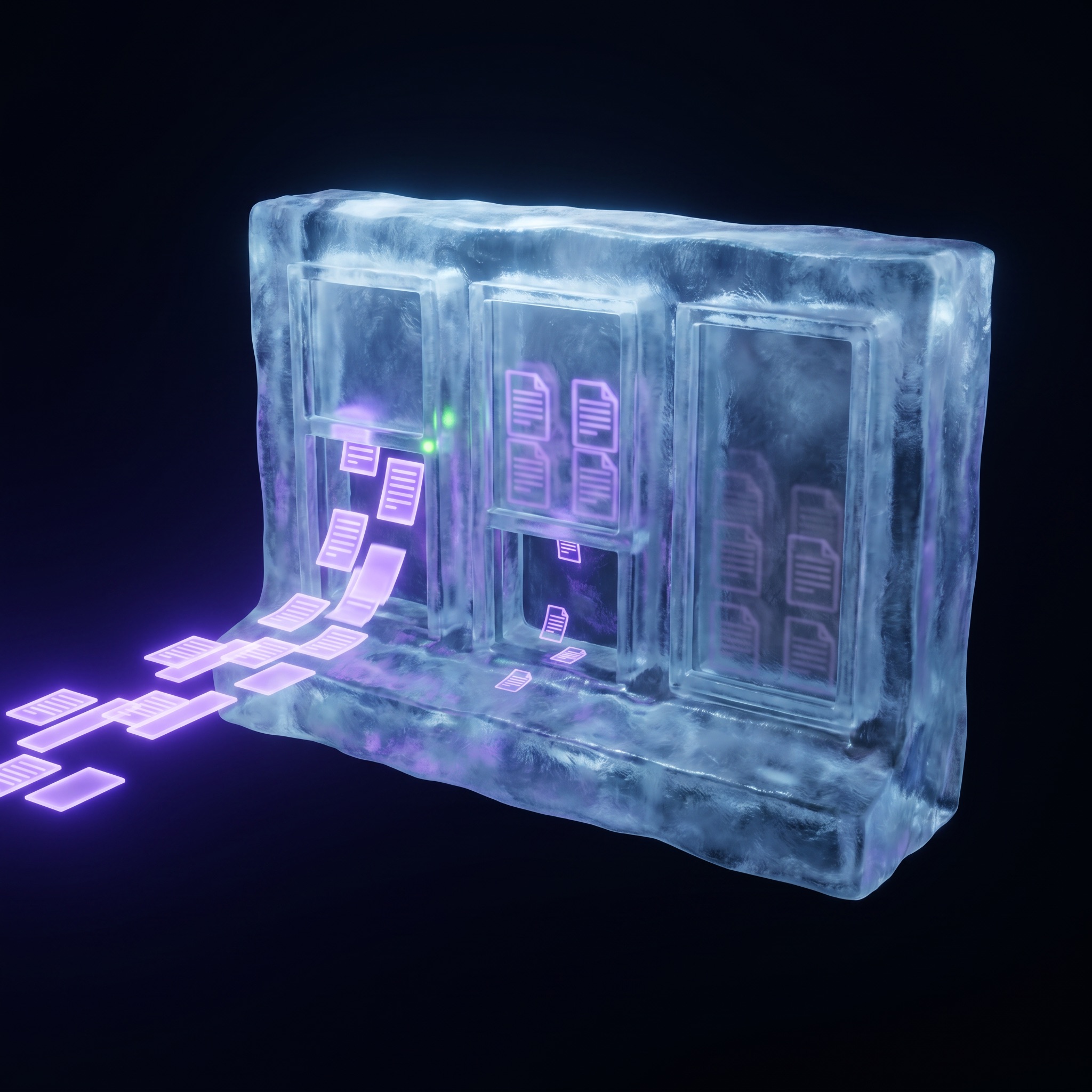
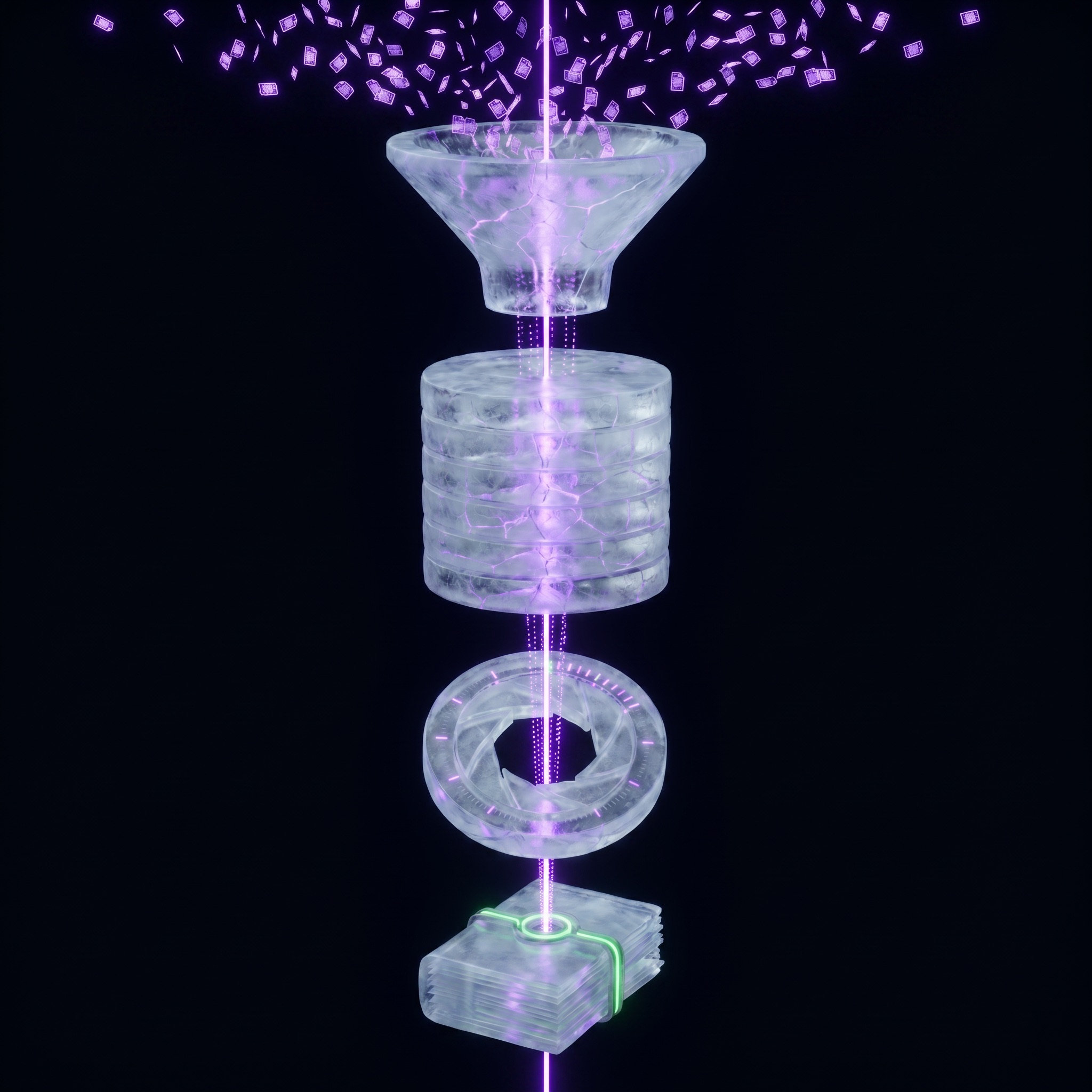
PDFs, images, transcripts, spreadsheets. Drop them in — they come out searchable.
Every page you capture and file you add is read, structured and vectored — automatically, as it lands. No tagging, no filing, no format wrangling: if you can open it, you can ask it questions.
Built for trust
Answers you can hand to someone else.
Everything Om-E hands you carries its receipts — where each claim came from, how it scored against your rubrics, and how the sources stack up. Ship the work; the evidence travels with it.
Citations
Sources travel with the answer — whoever you hand it to can check it themselves.
moreVerification
Score sources against your own rubrics — evidence, not vibes.
moreComparison
Source vs source on your criteria, laid out where each one wins.
moreTemplates
Turn captured research into finished documents in your format.
moreLocal RAG
Your files become vectors. On your machine. For good.
Drop in a PDF, a page, a transcript. Om-E chunks it, turns it into vectors and stores them in a local index — that's local RAG: retrieval that runs on your machine, not in someone's cloud. Ask a question and the right pieces come back, with receipts. Nothing uploads, nothing expires.
All use cases →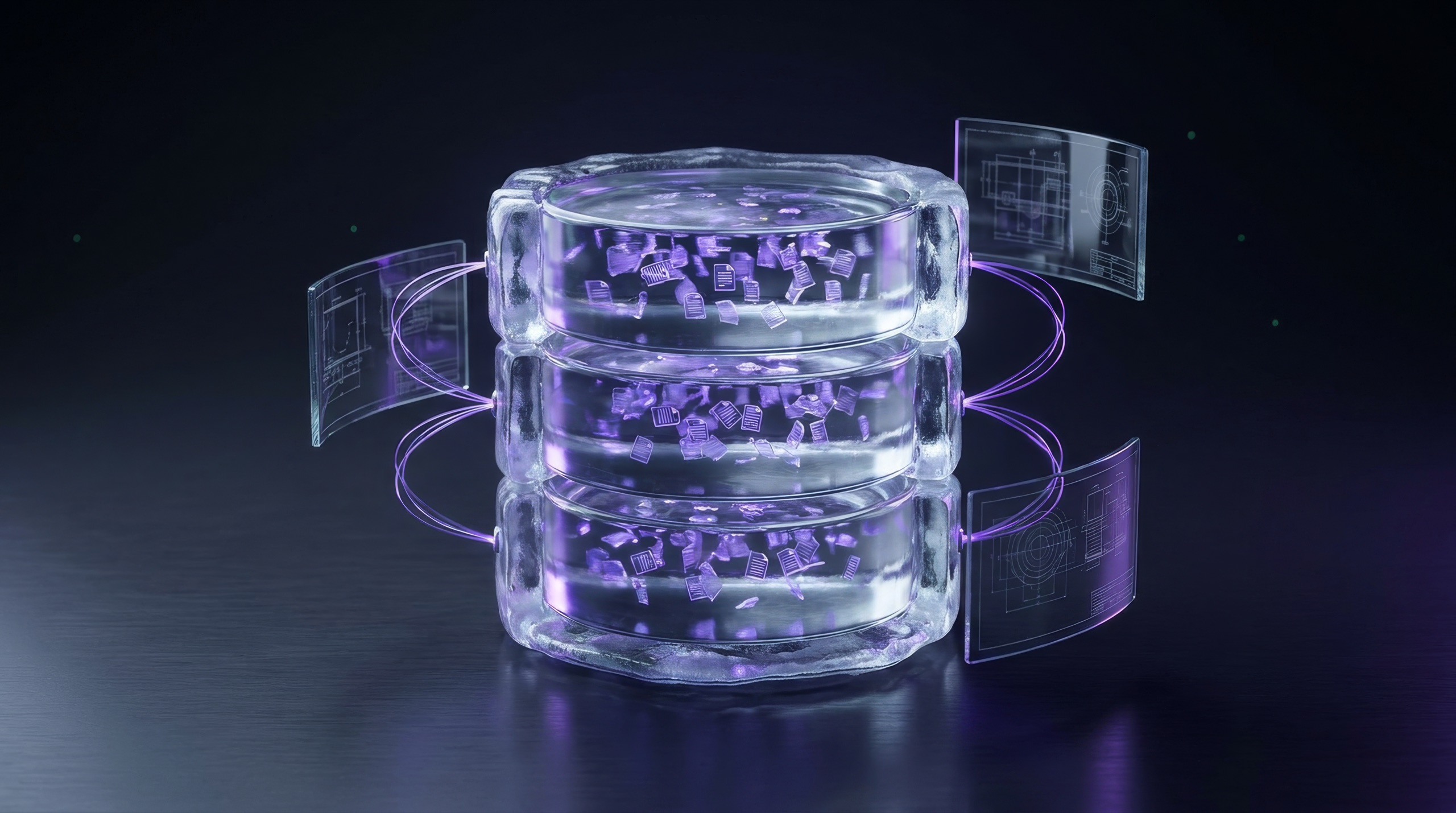
- 01Standup · 12:04
- 02Standup · 12:04
- 03Standup · 18:22
- 04Standup · 19:40
The machine
Chats, Topics, Knowledge Bases, multi-session.
A place to think, a place to remember, a place to organise — and all of it running at once. Chats are where the work happens; topics are where knowledge is saved; knowledge bases make it searchable by meaning; multi-session lets every chat run in its own space, concurrently.
Chats
Where the work happens. Your live AI workbench — ask, write, plan and analyse with context from your own knowledge, not generic memory.
more 02Topics
Where knowledge is saved. Flexible objects for anything important — notes, documents, pages, transcripts, briefs, memories. Saved once, reused forever.
more 03Knowledge Bases
Where knowledge becomes searchable. Organised libraries of topics, powered by vector search — Om-E finds information by meaning and uses it in your chats.
more 04Multi-session
Where it all runs at once. Every chat gets its own session space — fire a research run in one, keep working in another, nothing waits.
morechats
Where the work happens.
A chat works like any AI conversation — until you connect it. Attach a topic and local retrieval feeds the model exactly the passages that matter; load it and the full text sits in the window for whole-document work. Pull in several and the chat becomes the place where sources meet: joined, compared, cited.
the full story →one chat, two sources
attachvendor-a KB · retrieval on
loadvendor-b brief · full context
ask“compare their security posture”
✓both cited · verification report saved
topics
The unit of reuse.
A topic is born from almost anything: a file you import, a page you capture, a transcript you pull, a note you write. Import an architecture document and the text is vectored — and so are the images inside it, searchable through the same store. Diagrams answer questions now.
the full story →one document import
importsolutions-architecture.pdf
vectortext chunked · 18 images embedded
ask“the network diagram?”
✓diagram surfaced · document cited
knowledge bases
It understands meaning, not just keywords.
A knowledge base is an organised library of topics — a project, a client, a research area, a family wiki. Om-E chunks and vectors what's inside into an index that lives on your disk, so it searches by meaning: ask about “my daughter's creative interests” and it finds the note that says she likes drawing.
the full story →found by meaning
topic“Amber started school, likes drawing”
ask“my daughter’s creative interests?”
matchmeaning, not keywords
✓grounded answer · topic cited
multi-session
Nothing waits for anything.
Each chat is its own session: its own context, its own knowledge scope, its own running work. Fire a deep research run in one chat, draft in a second, triage in a third — they run side by side, and every thread keeps its own trail.
the full story →three chats, one afternoon
chat 1deep research · vendor sweep · running
chat 2drafting the client memo
chat 3triaging inbox questions
✓all three land · nothing waited
Run it
It answers under your rules.
Every turn, you choose what the model reads, which persona reads it, and what the run may spend — and when your KB can't answer, the agent goes out and finds out.

Deep research
Multi-source research runs that come back as sourced, finished reports.
moreWeb search
Built-in search — the agent searches, opens the tabs and reads them for you.
moreAgentic
An agent with tools, not a textbox — it browses, captures, drafts, and saves the work back into your KB.
morePersonas
Same knowledge, different eyes — review it as a researcher, a governance officer, a lawyer.
moreProof
Every answer arrives with its evidence.
Om-E answers from your captured sources and shows exactly where each claim came from: the document, the section, the capture date. Compliance reviews, policy work, audits — anywhere “trust me” isn’t good enough, hand the answer over and the receipts go with it.
- 01Policy requires 12-month retention — cut from 24 in the new draft.Policy v2 · §6 · PDF · captured 09 Jul✓ verified
- 02Backups are configured for 18 months — six over the new limit.Ops runbook · backup schedule · captured 02 Jul✗ conflict
- 03Breach notice window is now 30 days; the runbook still says 60.Policy v2 · §4.2 · PDF · captured 09 Jul✗ conflict
Captured sources don’t rot — the page you cited in March is still the page you cited, even after the live site changes.
Stop losing knowledge in tabs.
Ask the page. Save the answer. Build your knowledge base.